The well-established cardiovascular angle
Hawthorn's traditional and best-documented use is cardiovascular. It is rich in flavonoids and oligomeric procyanidins, compounds studied for supporting healthy blood vessel function and circulation. This is the reason most people who recognize hawthorn at all know it in a heart-health context.
The newer, less obvious metabolic connection
Separately, research summarized on PubMed Central has examined hawthorn's potential role in insulin sensitivity and glucose metabolism. The proposed mechanism connects back to circulation: healthier blood vessel function supports more efficient glucose delivery and uptake throughout the body.
This is a smaller, less mature research base than hawthorn's cardiovascular evidence, and human studies specifically on glucose outcomes remain limited.
Why the antioxidant angle matters too
Oxidative stress tends to run higher in people with fluctuating blood sugar, and hawthorn's flavonoid content gives it genuine antioxidant activity. This is a supportive rather than direct-acting mechanism — see our piece on antioxidants and the blood sugar connection for the fuller picture.
A note on interactions
Hawthorn is generally well tolerated, though it can interact with certain heart medications, including some blood pressure drugs and digoxin.
Where this leaves GlucoMild
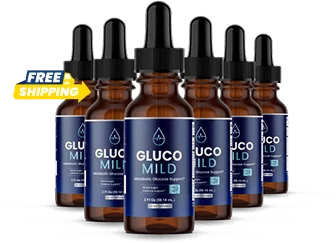
GlucoMild pairs Hawthorn with Gotu Kola, Grape Seed Extract and Motherwort — a formula built specifically around the circulation-and-antioxidant theory of blood sugar support, rather than the more common cinnamon-and-chromium approach. Whether that angle suits your priorities is worth weighing against more conventional formulas.